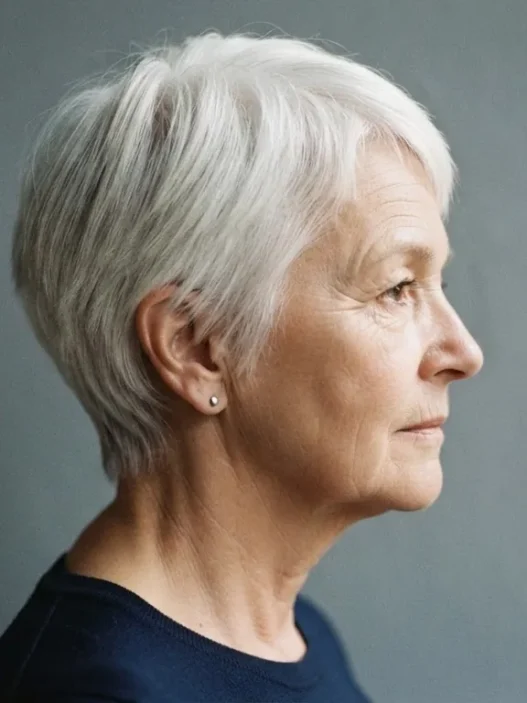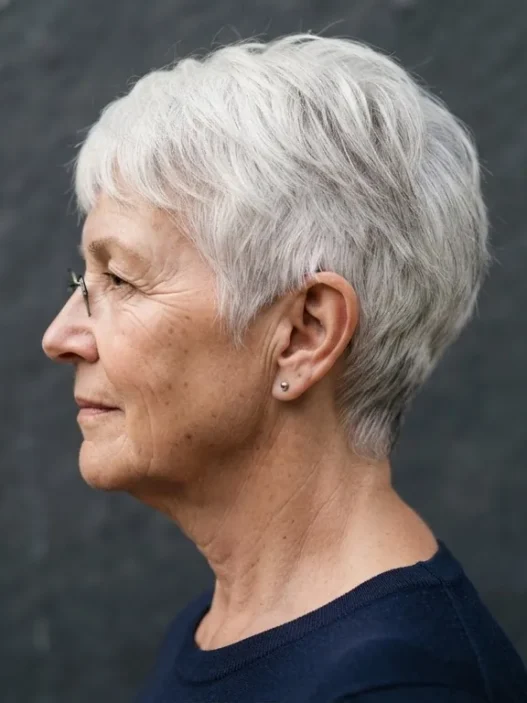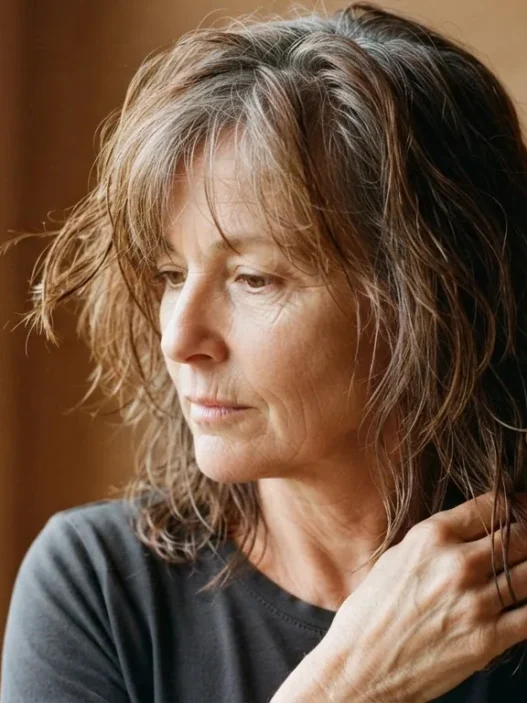




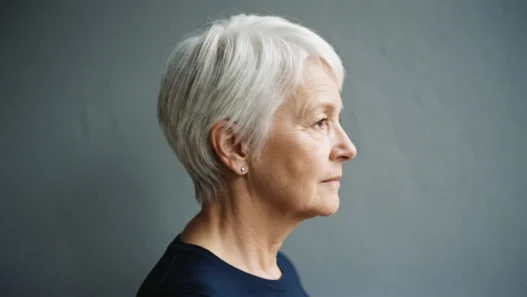

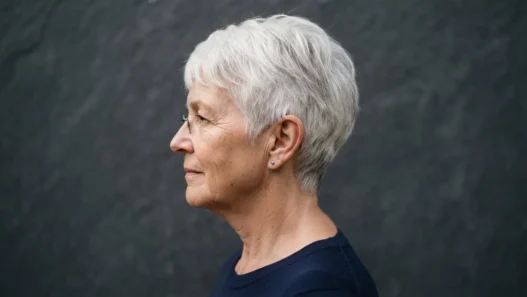

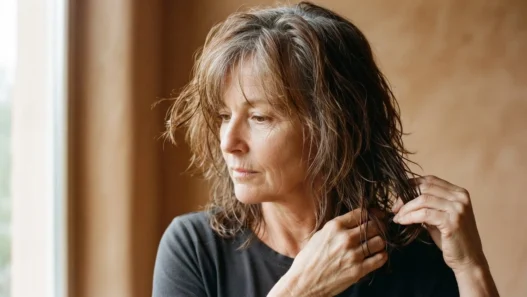

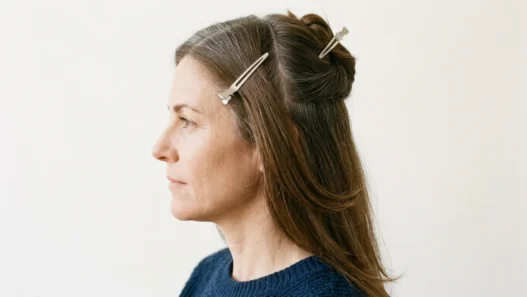
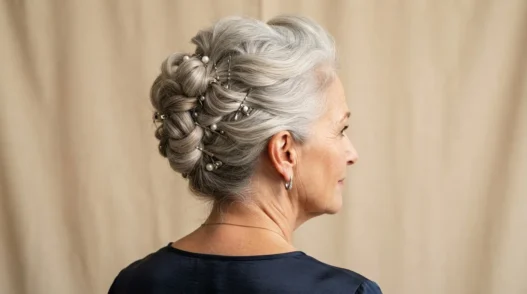
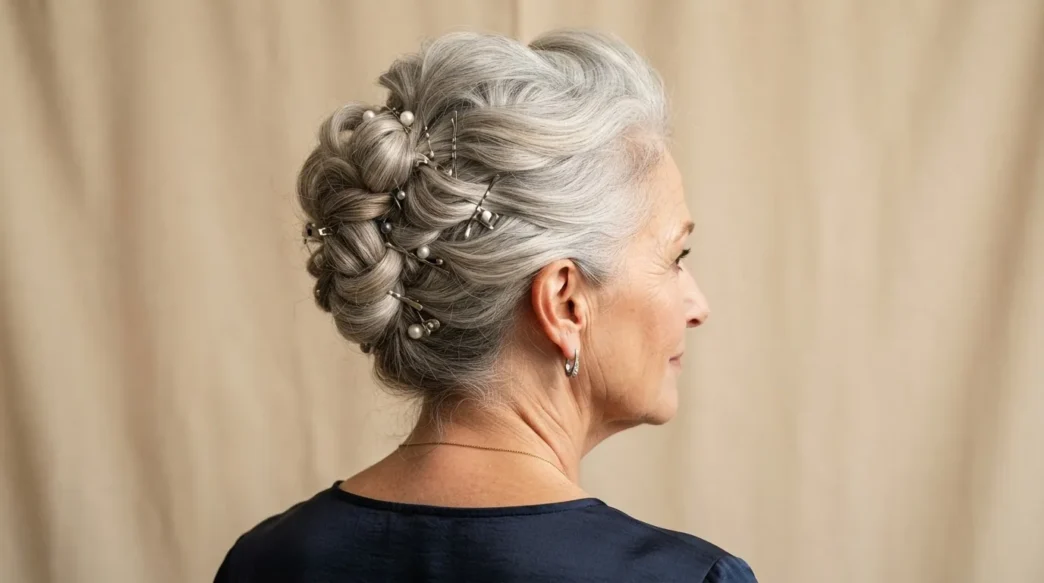
I’ve been in a lot of wedding prep conversations over the years, and the one that comes up again and again — from my sister, from clients, from women at every salon I’ve worked with — is this: what do I do with my hair? Not the dress. Not the shoes. The hair. And specifically, the updo. Because once you’re past 50, your hair doesn’t behave the way it did at 35. It’s finer, or thinner at the crown, or it’s gone silver and has a completely different texture. The grip is different. The weight is different. So I put together the 11 mother of the bride hair updos after 50 that I actually recommend — the ones that hold, that photograph well, and that don’t look like you tried too hard.
11 Updo Ideas for the Mother of the Bride After 50
- The Soft Chignon With a Low Centre Knot
- The Twisted French Tuck for Finer Hair
- The Half-Up Pin With Face-Framing Tendrils
- The Braided Wrap That Replaces the Bobby Pin
- The Classic French Twist Revisited
- The Gathered Nape Knot for Thick Hair
- The Pinned Wave Set
- The Loose Romantic Updo for Long Hair
- The Textured Crown Braid
- The Low Side Sweep With Hidden Pins
- The Sleek Barrel Roll
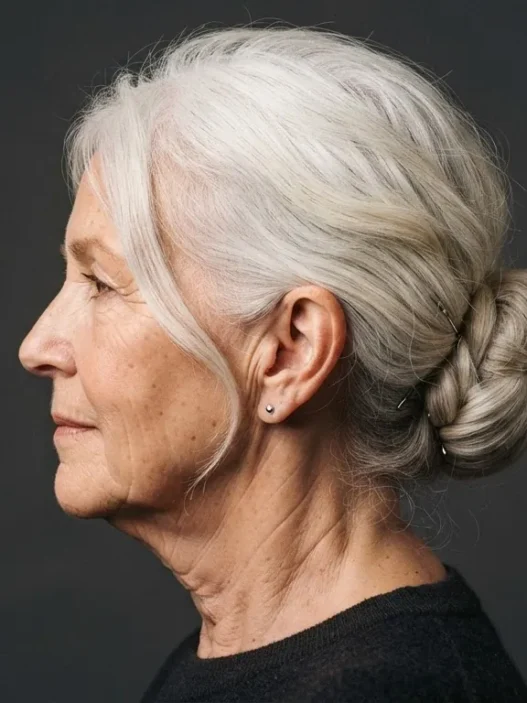
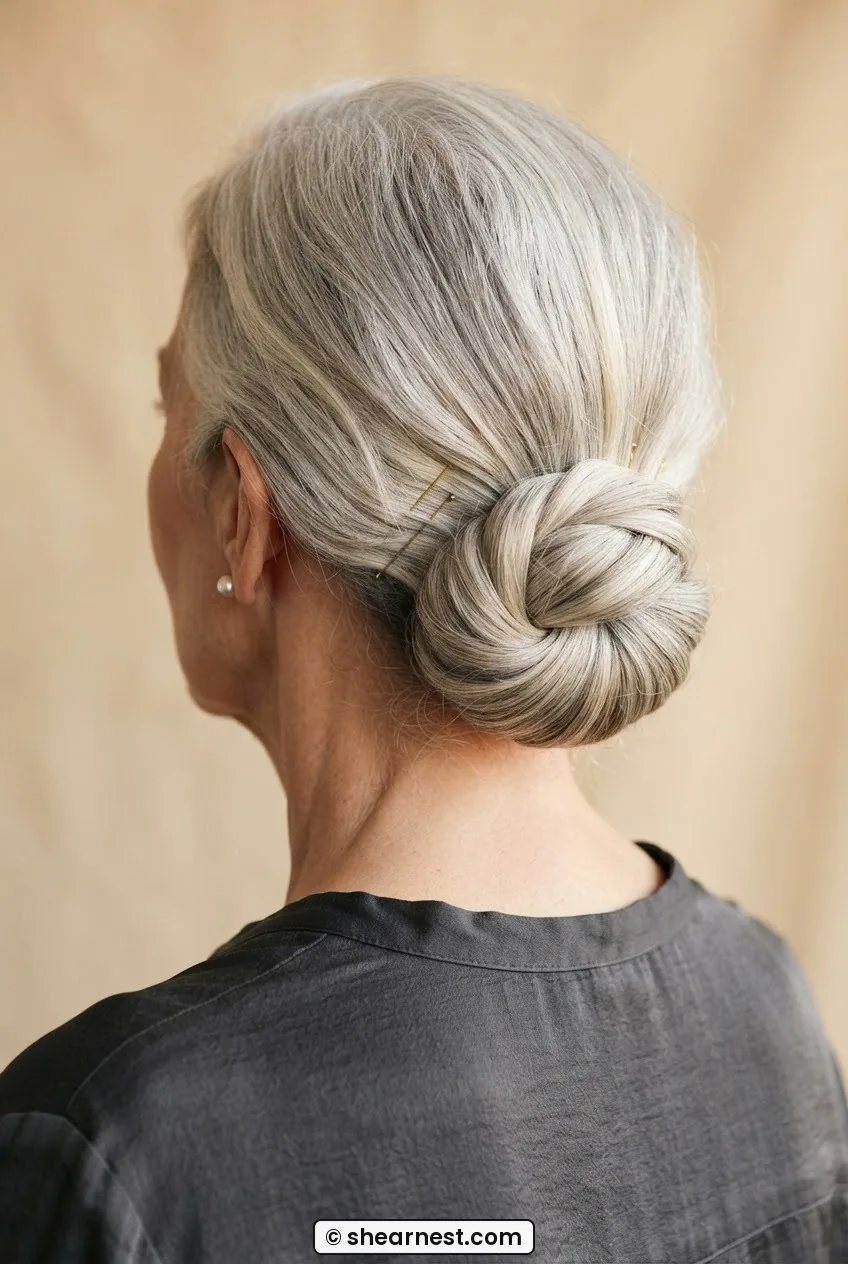
1. The Soft Chignon With a Low Centre Knot
This is probably the most requested style I see for this occasion, and for good reason. The weight sits entirely at the nape — gathered, folded, and pinned flat against the skull with the ends tucked under rather than twisted. There’s no teasing, no backcombing. The volume is built through a light blow-dry section by section before pinning, which means even medium-density hair gets enough body to hold the shape without feeling stiff.
Who it suits: really anyone with chin-length or longer hair. It works beautifully on oval and heart-shaped faces because it opens up the neck and draws the eye upward. Maintenance between appointments is low — just keep the ends trimmed and healthy so they don’t escape the pins mid-ceremony.
What to say at the chair: “I want a low chignon, weight at the nape, no height at the crown, and nothing sprayed rigid.”
2. The Twisted French Tuck for Finer Hair
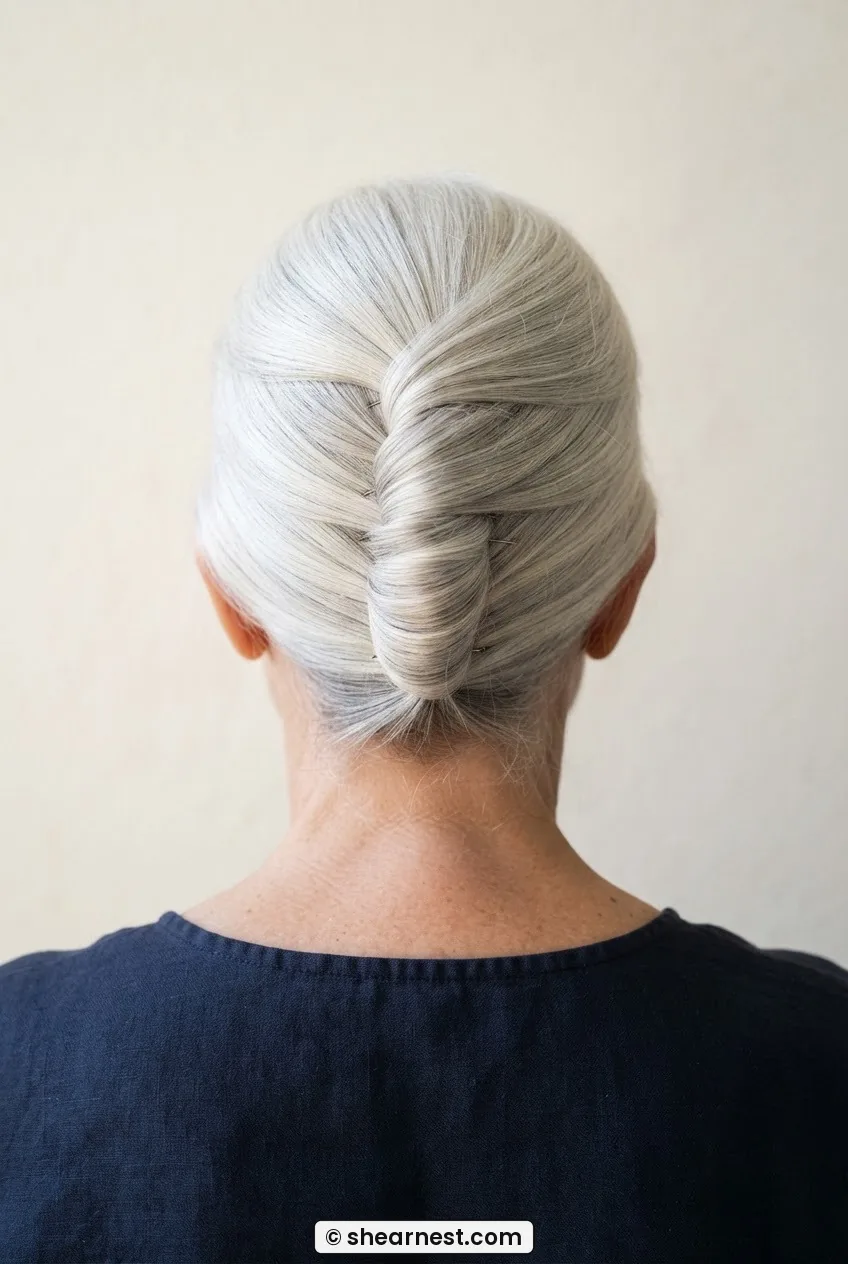
Fine hair after 50 is a whole different construction problem. There’s less of it to grip, the pins slide more easily, and anything that relies on bulk will expose the scalp under flash photography. The French tuck solves this by folding the hair onto itself — you’re creating a contained column rather than trying to build fake volume. The twist starts at the nape, rolls upward close to the spine of the skull, and pins continuously along the fold rather than across the top.
I love this one for women with fine, lower-density hair because the structure hides the scalp entirely along the back panel. It also photographs incredibly cleanly from behind — which matters when you’re standing at the front of a ceremony.
Upkeep: schedule a trim every eight weeks minimum. Straggly ends at the bottom of a French tuck are impossible to hide. What to say: “I want a vertical French tuck pinned up the spine, kept close to the head, no volume on top.”
3. The Half-Up Pin With Face-Framing Tendrils
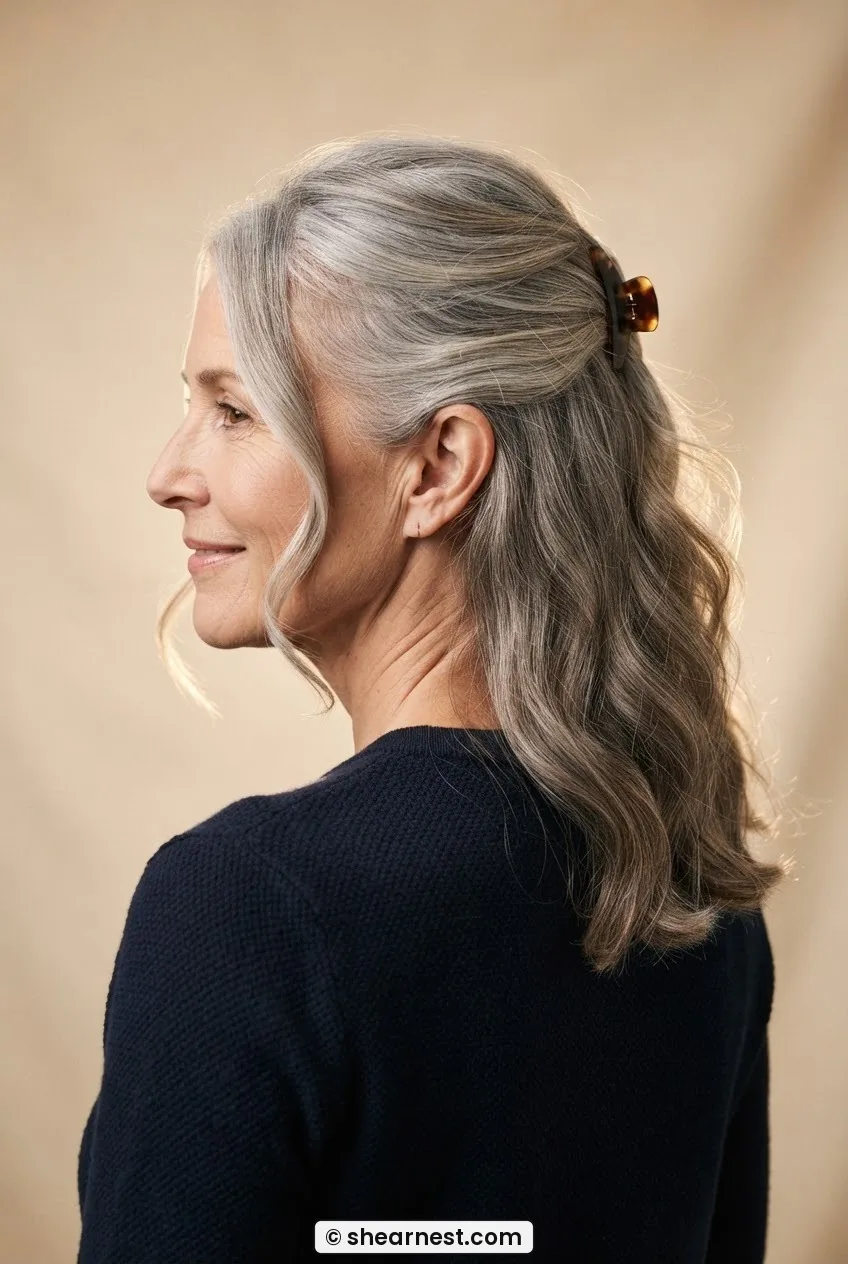
Not everyone wants a full updo. Some women feel exposed with everything pinned back — the neckline changes, the ears show, the face feels unframed. The half-up version keeps the lower lengths down but pins the crown and mid-section into a low gathered shape, leaving two or three soft pieces out around the face.
Those tendrils aren’t an afterthought. They soften the jawline, which matters at this age because a completely swept-back look can feel severe. If you’re reading about oval face hairstyles for women over 50, you’ll notice that face-framing pieces come up over and over as the detail that makes the whole thing work.
This suits medium to long hair best. It also suits women who are still growing out a shorter cut but want something polished. What to say: “Half-up, pinned loosely at the crown, with two pieces left out at each temple to curve forward.”
4. The Braided Wrap That Replaces the Bobby Pin
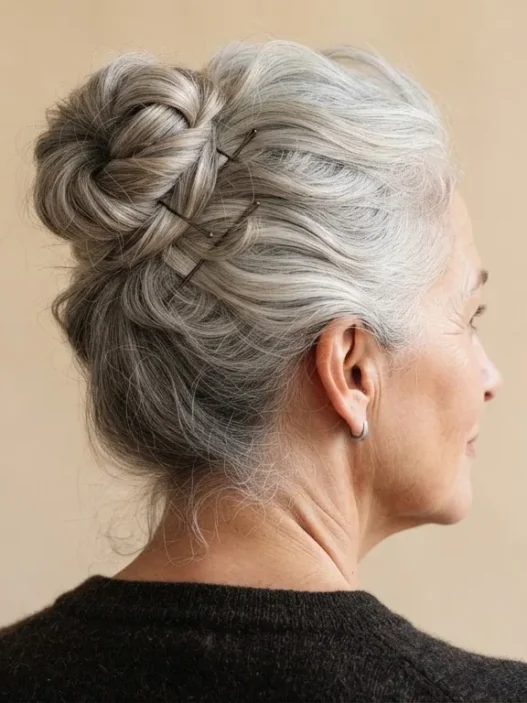
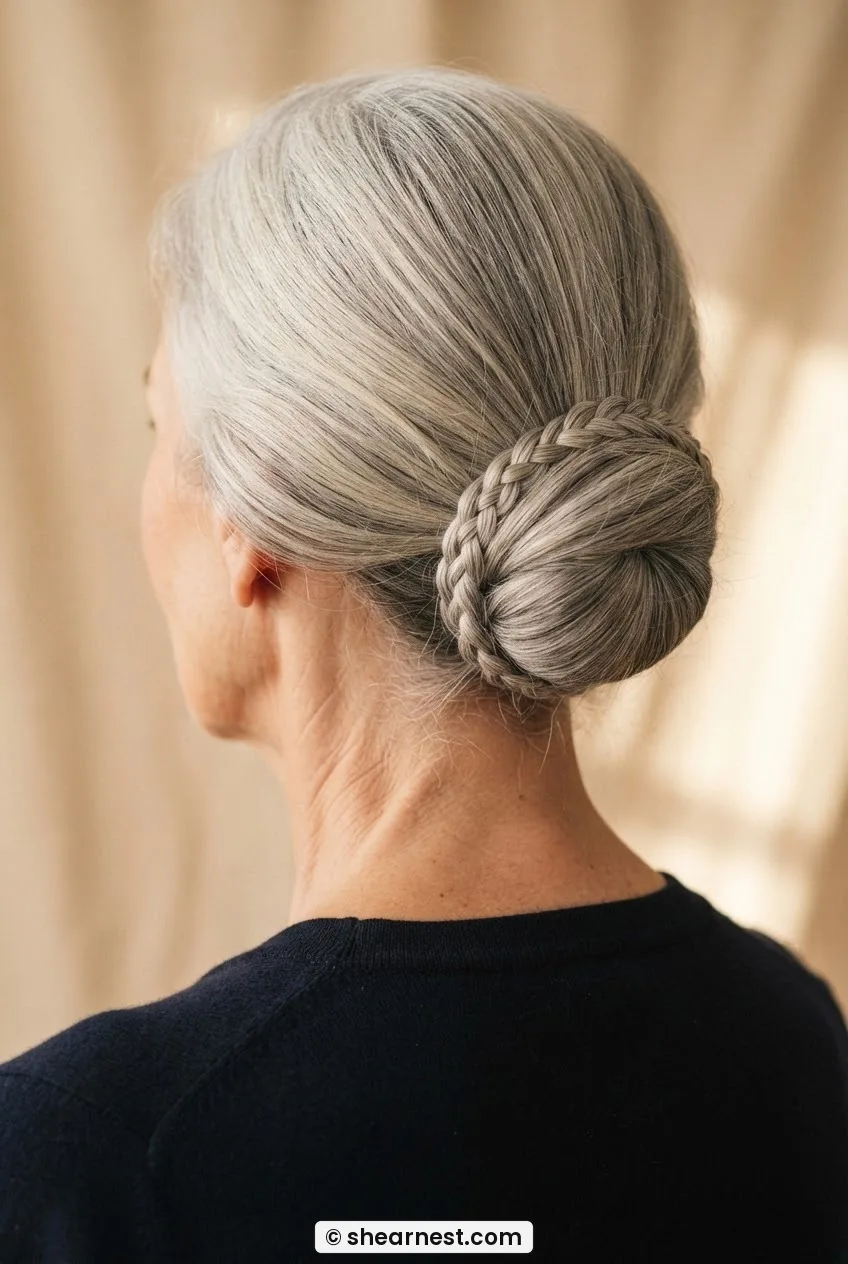
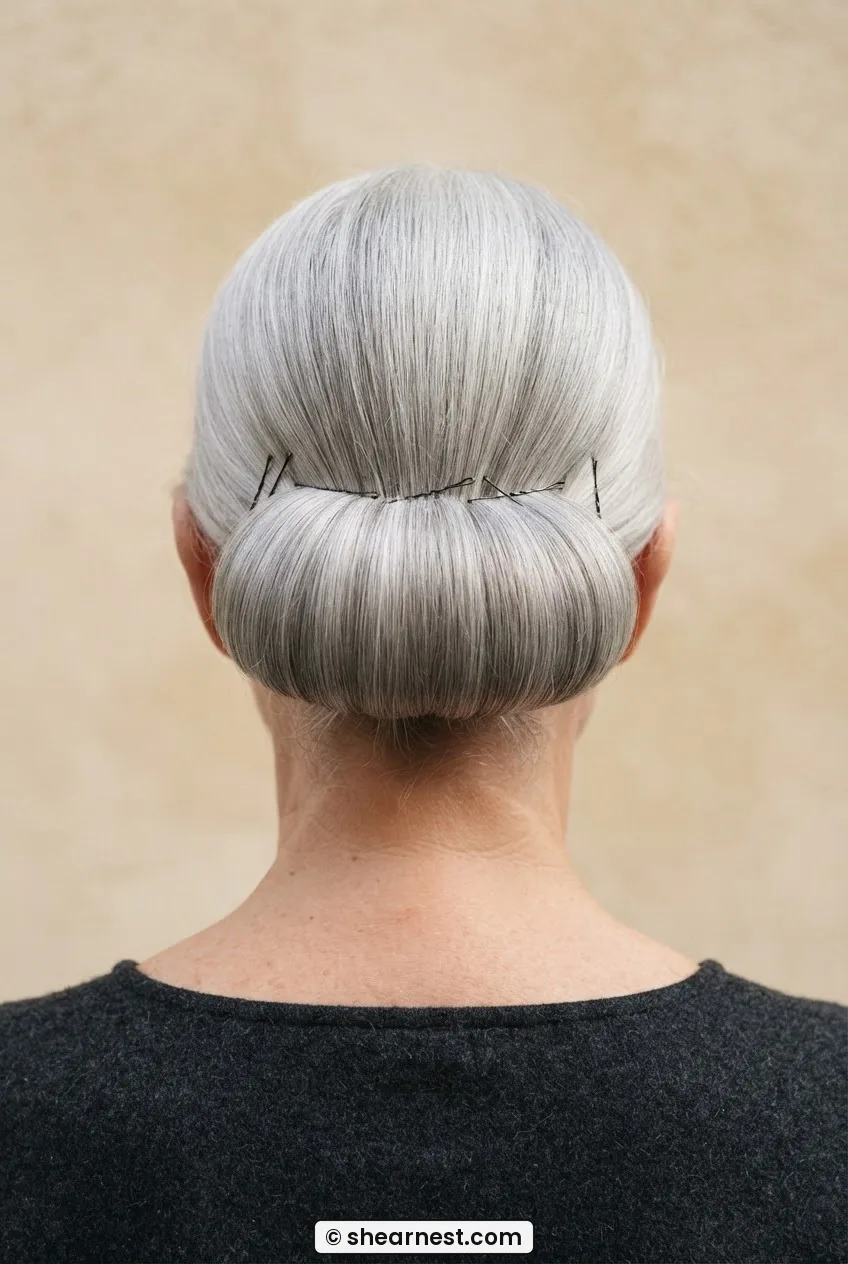
This is the detail work version. Instead of a row of visible pins across the gathered section, a thin three-strand braid — barely a centimetre wide — wraps around the base of a low bun or chignon and pins at the back. It acts as a structural band rather than a decorative one.
What I find with silver and white hair especially is that the braid catches light differently to the rest of the style — there’s a subtle texture contrast that reads as intentional and refined without being fussy. It holds the shape better than bobby pins on slippery hair, too, which is a real practical win for a long ceremony day.
Who it suits: medium or long hair, any density. What to say: “Low bun, but use a small braid to wrap and anchor the base instead of pins at the front.”
5. The Classic French Twist Revisited
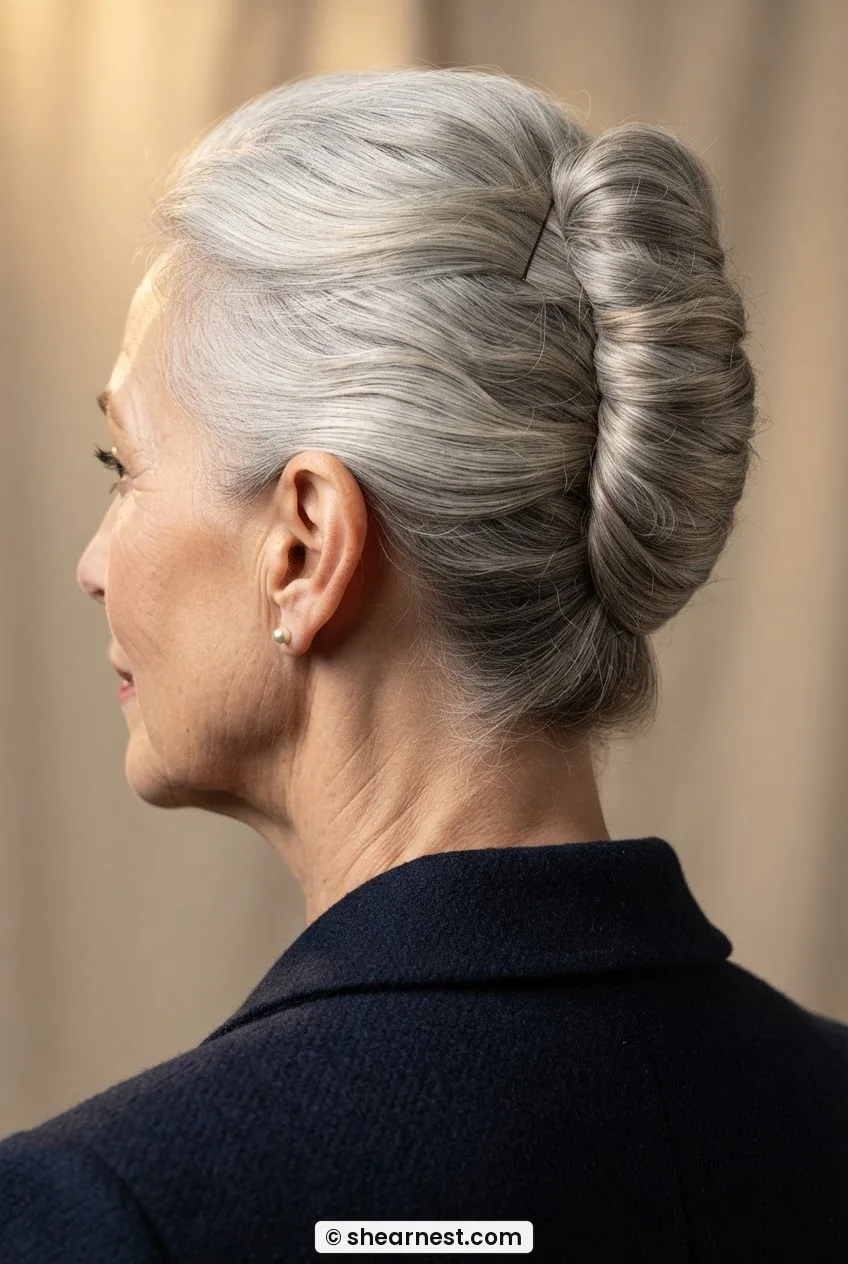
The old-school French twist — all sprayed smooth and rigid — can look dated. But the construction itself? Still one of the most elegant updo shapes ever invented. The updated version in 2026 keeps the same vertical roll but leaves the texture slightly imperfect. The top edge isn’t smoothed to a glassy finish. There might be a gentle wave left in the surface of the roll itself.
This is my personal pick for the woman who wants to feel genuinely glamorous without tipping into “mother of the bride at a 1990s wedding” territory. The French twist, done with a little softness, is one of those rare styles that reads as both classic and current. I’d push for this one every time.
If you want step-by-step detail on getting the roll exactly right, the 60+ French twist updo method we’ve covered before is worth a proper read before your trial appointment. What to say: “French twist, but keep a little texture in the roll — I don’t want it glassy or rigid.”
Seeing the Soft French Twist Done Live
6. The Gathered Nape Knot for Thick Hair
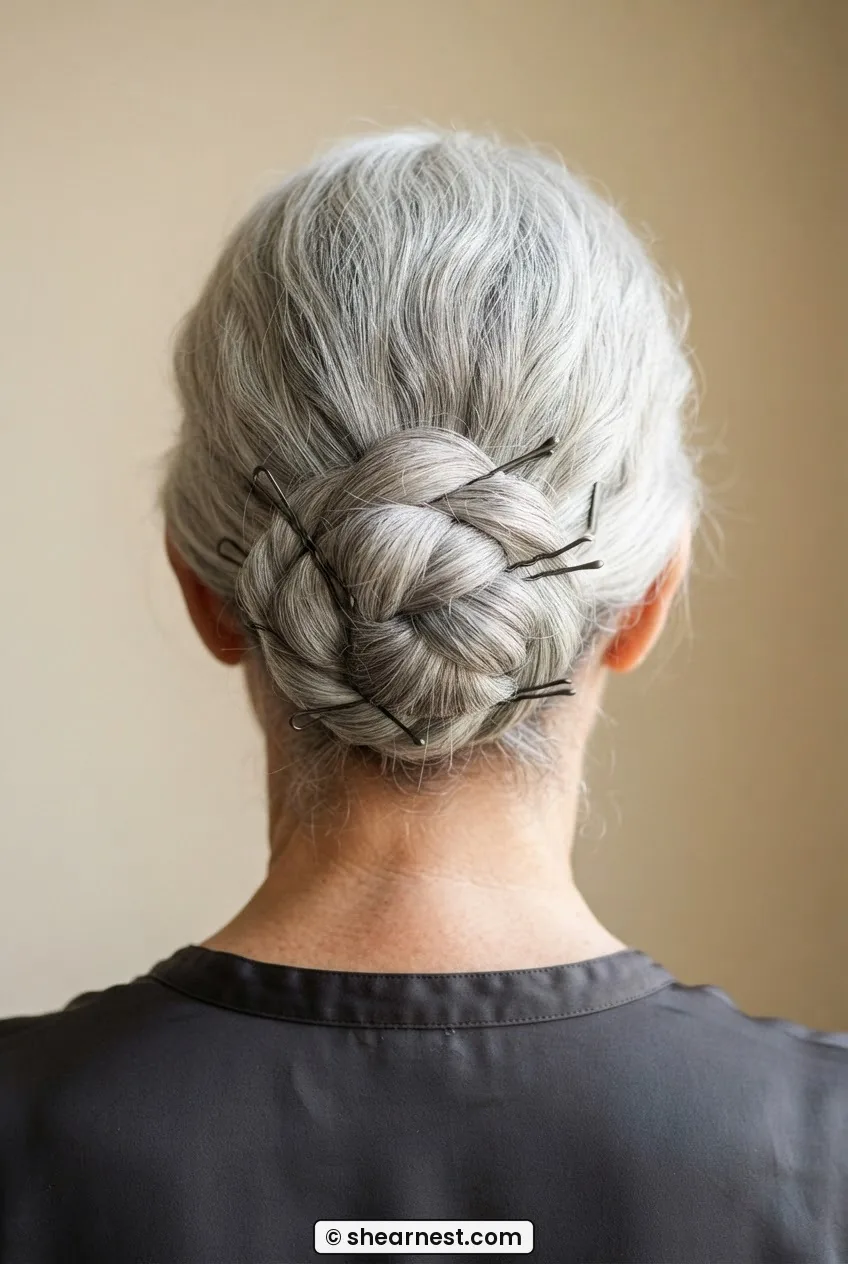
Thick hair over 50 has its own challenges — it’s heavy, it slides out of delicate pins, and it can make a fine chignon look like it’s trying to swallow itself. The gathered nape knot is built for this. All the hair is collected at a low point, twisted tightly into a thick rope, then coiled and pinned flat with large grips rather than fine bobby pins. The result is dense and sculptural.
It photographs beautifully from behind — look at the photo here, the way the structure sits cleanly at the nape. That kind of weight and definition is what thick hair does best when it’s given the right container. No product needed beyond a light serum through the lengths before pinning.
Upkeep: this style needs a pre-appointment wash and blow-dry for smoothness. Between ceremony and reception it should need no touch-ups at all. What to say: “All hair gathered at the nape, twisted into a tight coil, pinned flat with large grips — no loose pieces.”
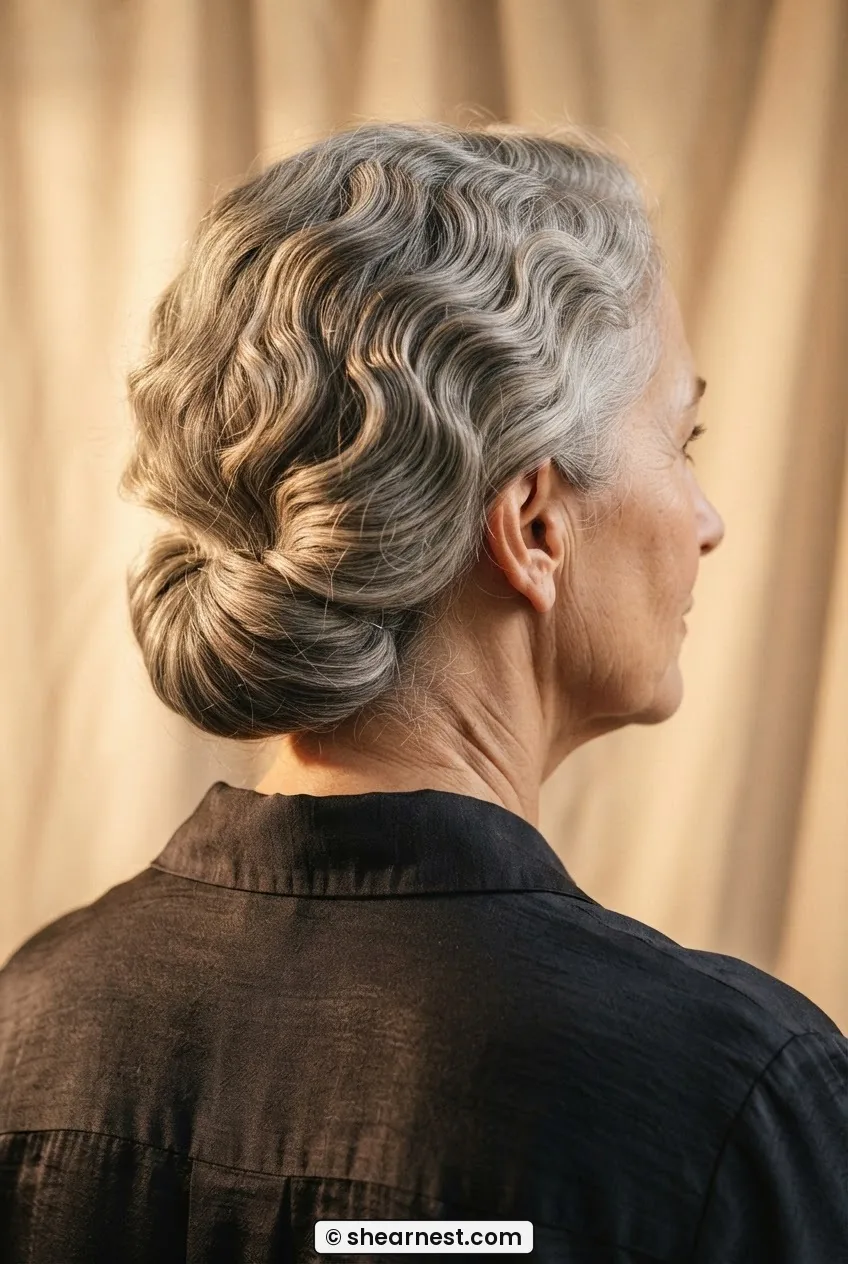
7. The Pinned Wave Set
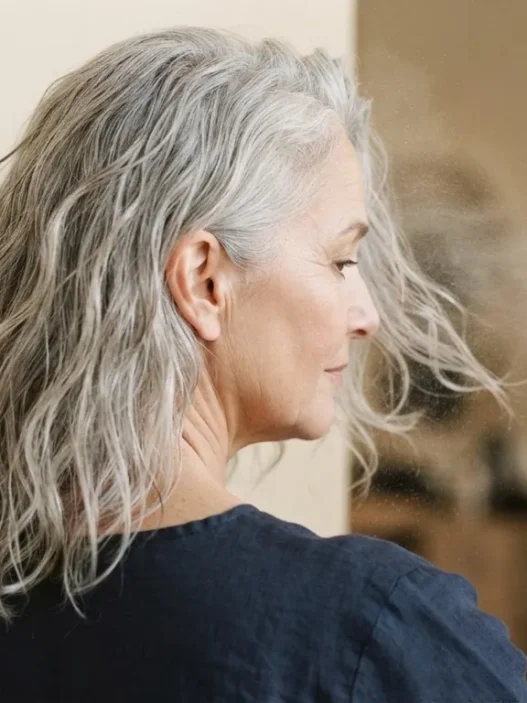
This one requires a bit more prep — ideally overnight pin curls or a same-morning set — but the payoff is a vintage-influenced style that looks genuinely sophisticated on silver hair. The wave set creates defined S-curves through the crown and sides, and then the back lengths are gathered and pinned low while the waves ripple through the visible sections.
It’s not for everyone. If you’ve always been a wash-and-go person this might feel alien. But if you love texture and old-Hollywood references, this is the one. Silver hair in particular takes a wave set beautifully — the tonal variation in grey catches each crest differently. I genuinely think it’s one of the most photographically rewarding styles for this age group.
What to say: “I want a finger-wave-style set through the top with the lengths pinned low at the back. If we can do pin curls the night before, even better.”
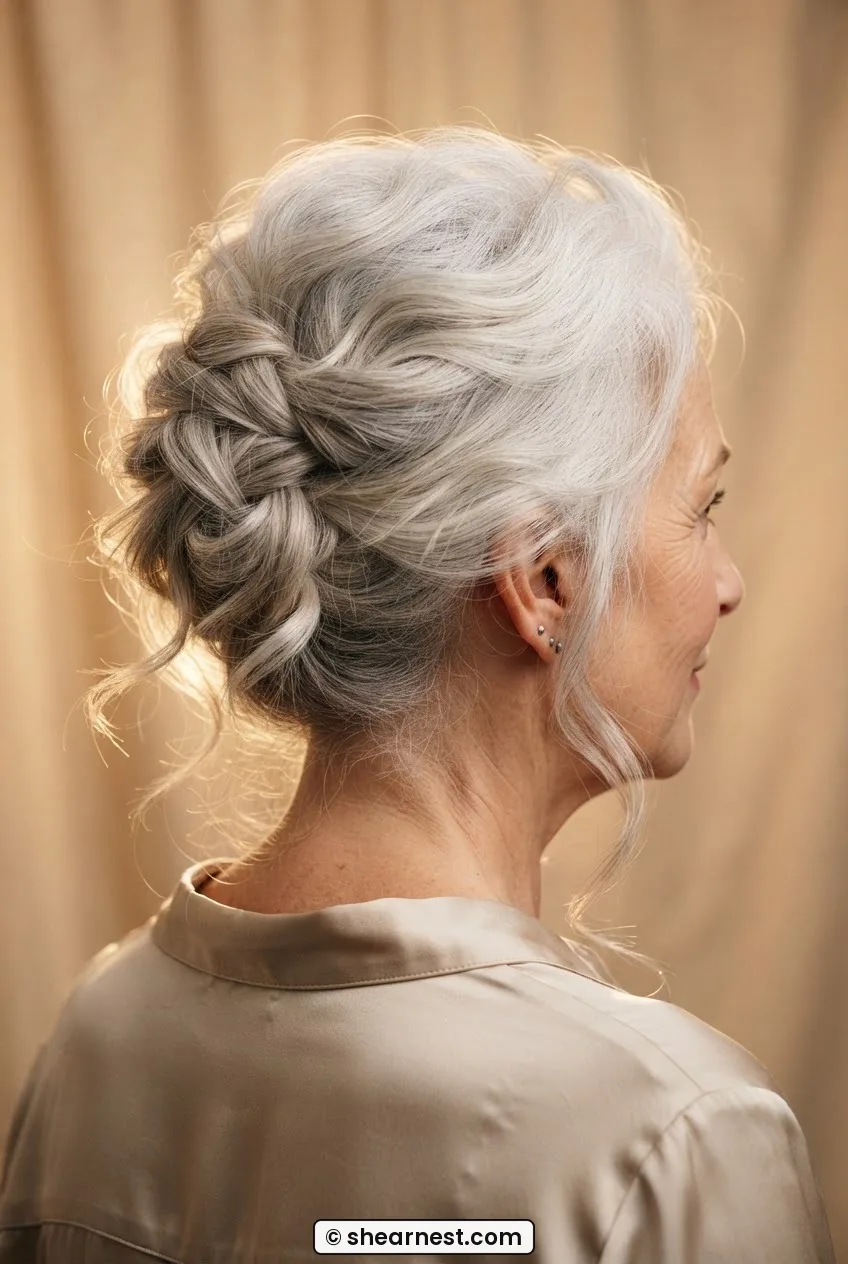
8. The Loose Romantic Updo for Long Hair
Long hair after 50 deserves its own section because the styling options shift as the hair thins slightly or changes texture. A rigid, over-pinned updo on long hair can look heavy and dated. The loose romantic version — where sections are gathered, loosely twisted, and pinned in overlapping layers rather than a single tight knot — gives the impression of effortlessness while actually being quite structured underneath.
The construction: the crown section is pinned first in a gentle gather, then the mid-lengths are twisted and tucked around it in rotating layers, with ends left to peek out softly rather than tucked completely. It’s pinned at multiple points rather than relying on one central anchor, which means it’s actually more secure than it looks. If you want to read more on managing straight hair cuts for women over 50, the principles around weight distribution apply here too.
What to say: “Loose gathered updo, sections overlapping and pinned in layers, a few ends left soft — I don’t want it tight or rigid.”
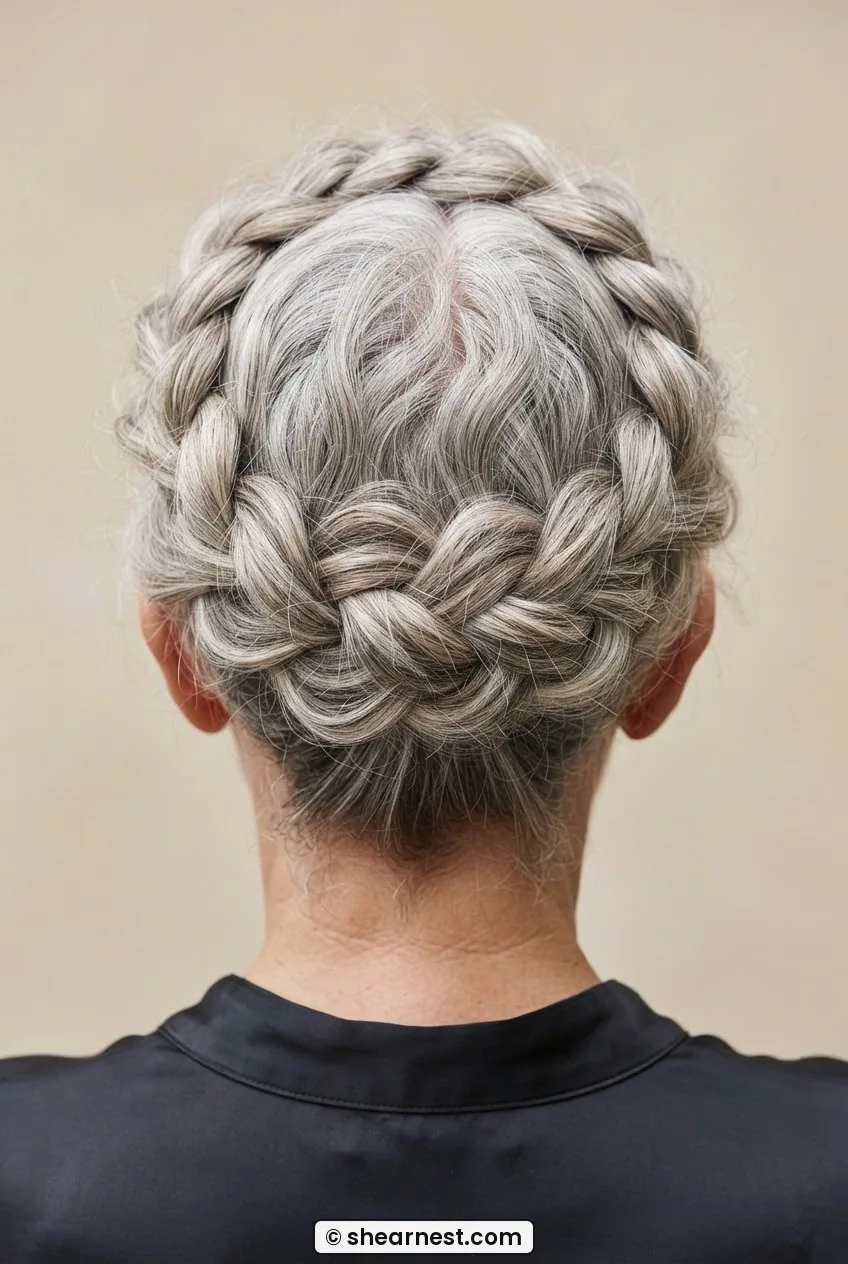
9. The Textured Crown Braid
A crown braid after 50 has to be done carefully. Too neat and it reads as a teenager’s style. Too wide and it looks heavy on a softened hairline. The version that works is a relatively narrow French braid — or two braids meeting at the back — that’s been gently pulled apart after braiding to loosen the sections and give each loop a wider, softer footprint on the scalp.
It suits wavy hair especially well. If your hair has natural texture to begin with, the braid incorporates that movement rather than fighting it. For more on managing and styling textured hair in this age range, the post on wavy haircuts for women over 50 covers the foundational structure that makes styles like this one actually work long-term.
What to say: “Crown braid, either one or two, pulled gently apart after braiding so it reads as textured and soft rather than tight.”
10. The Low Side Sweep With Hidden Pins
This is the one I’d recommend most often for anyone with shorter or medium-length hair who wants an updo but doesn’t have quite enough length for a full gathered style. All the hair is swept to one side — usually the right — gathered just below the ear, and pinned in a contained shape against the side of the skull. The pins are placed horizontally underneath the roll rather than through the top, so the surface stays clean.
It opens up the opposite side of the face and neck entirely, which is especially flattering when the neckline of the outfit has any detail. And from behind — which is the view people have during the ceremony — it reads as a complete, polished updo even though the construction is relatively simple. An asymmetric style like this also suits a wide range of face shapes; it’s particularly good for square or round faces where balance across the features matters. You can read more about that in our piece on oval face hairstyles for women over 50, which covers the principles of visual balance in detail.
What to say: “All hair swept to one side, gathered below the ear, pinned under the roll with the surface kept smooth.”
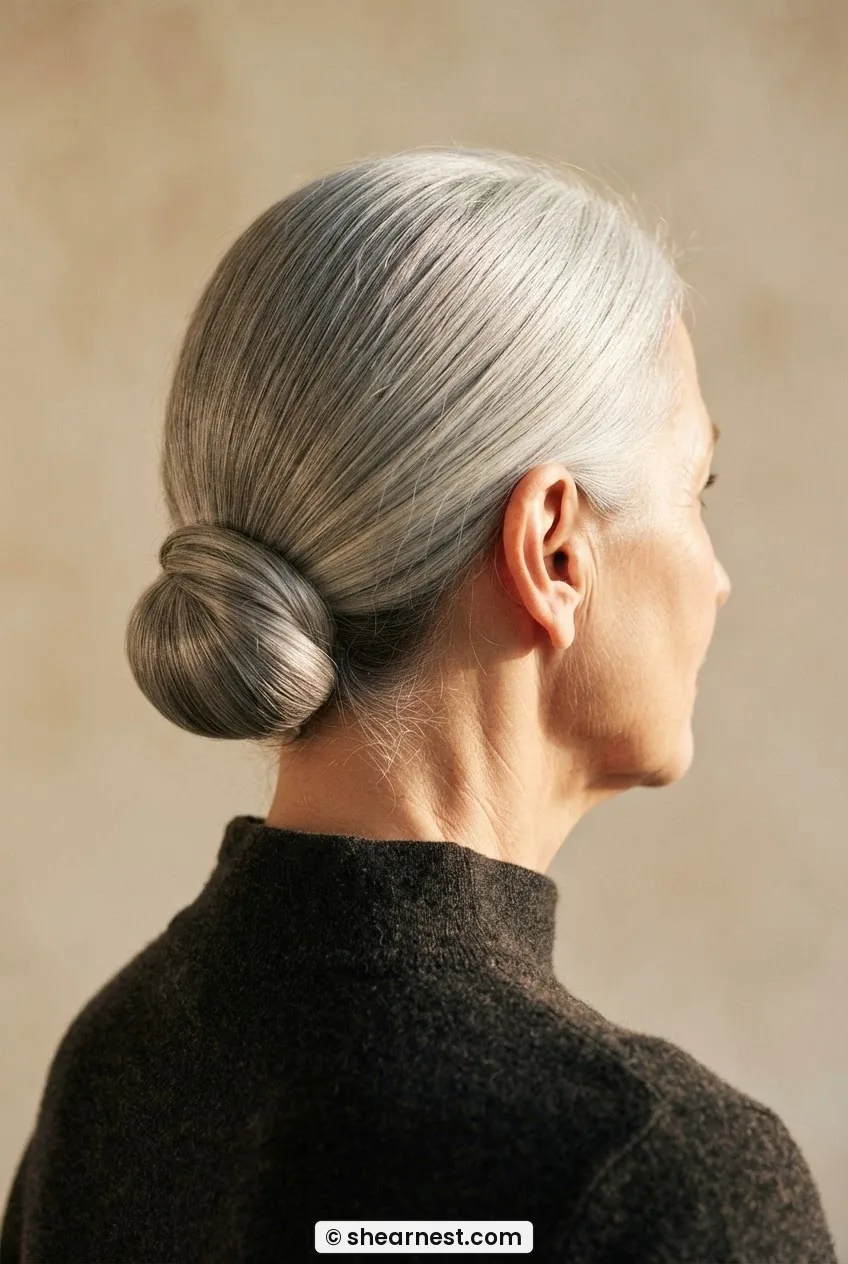
11. The Sleek Barrel Roll
Last and genuinely one of my favourites for women with straight, well-conditioned hair. The barrel roll is a horizontal version of the French twist — the hair is gathered horizontally across the back rather than vertically, rolled outward into a cylinder shape, and pinned along the top edge. It sits low, close to the nape, and has an almost architectural quality to it.
It demands smooth hair to work well. If your hair has any natural frizz or wave, you’ll need a thorough blow-dry before the appointment. But on straight or straightened hair, this is one of the cleanest-looking updos you can wear. The right products for all-day hold are worth researching before your trial run — particularly for keeping the barrel from loosening during a long reception.
It also photographs exceptionally well from all angles, including the three-quarter rear view that ends up in most professional wedding shots. What to say: “Horizontal barrel roll at the nape, rolled outward and pinned along the top edge — I want it clean and close to the head.”
Before Your Trial — Questions Worth Asking
How far in advance should I book my trial appointment?
At least six to eight weeks before the wedding. You want time to go back if something needs adjusting — maybe the pins showed more than expected, or the shape didn’t photograph how you imagined. One trial is rarely enough for an updo if you’ve never worn your hair up at this length before. Two is better.
My hair is very fine and won’t hold pins. What actually helps?
A light texturizing spray applied before the blow-dry makes a significant difference — it gives the hair surface something to grip against. Also ask your stylist to use silicone-coated pins rather than plain metal ones; they slide out less on fine hair. The French tuck and low side sweep in this list were both designed with fine hair in mind and are worth prioritising at your trial.
Should the mother of the bride’s hair match or contrast the bridesmaids?
It genuinely doesn’t need to match. What matters more is that it’s consistent in formality — if the bridal party is wearing sleek polished styles, a very casual half-down look can look out of place in photographs. But the specific style and silhouette should be yours. This is not a day to dress for invisibility.
Can I wear this style if my hair is mostly silver or white?
All eleven of these styles work beautifully on silver and white hair — frankly, several of them look better on silver than on coloured hair because the light catches the natural tonal variation. If you’re considering a toning treatment before the wedding to brighten the silver, get it done two to three weeks before, not the day before. You want any brassiness managed without the colour looking freshly deposited.
What if I’m not sure which one suits me?
Bring photos of at least three options from this list to your trial and let your stylist try two. Don’t commit on sight — sit with each style for an hour, take photos from the angles that matter (rear three-quarter especially), and see how it feels after the initial excitement wears off. The one you stop fidgeting with is usually the right one. For women over 70 thinking about this same question, there’s useful context in our piece on hair styles for women over 70 — many of the same principles apply.
And that’s all eleven. No ranking, because the right one depends entirely on your hair — its density, its texture, its current length, and honestly, how much pinning you can tolerate for eight hours straight. My honest suggestion: pick two from this list that feel like you, book the trial, and trust the one that makes you forget about your hair entirely by the end of the night. That’s always the winner.